
Introduction
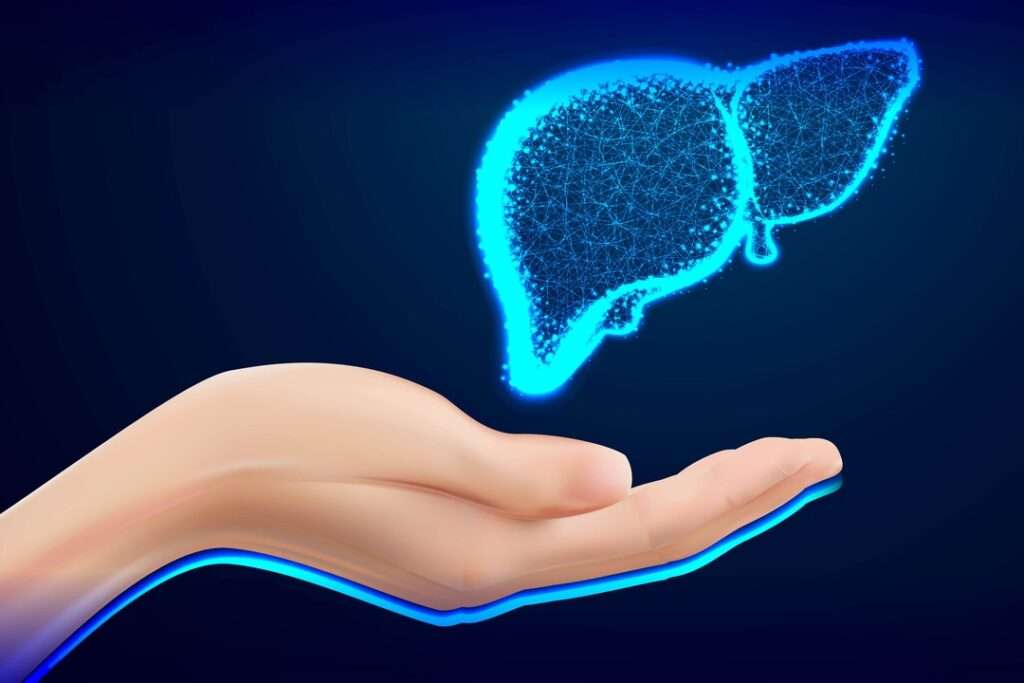
Fatty liver disease, once considered a silent condition, has now emerged as one of the most common liver disorders worldwide. With lifestyle factors such as poor diet, obesity, diabetes, and lack of exercise contributing to its rise, researchers are actively exploring new treatment options. One such promising breakthrough is Semaglutide, a GLP-1 receptor agonist originally developed for type 2 diabetes and obesity management. Recent studies suggest Semaglutide may also play a crucial role in improving non-alcoholic fatty liver disease (NAFLD) and non-alcoholic steatohepatitis (NASH).
This blog explores how Semaglutide works, its impact on liver health, and why it could be a game-changer for millions living with fatty liver disease.
What is Fatty Liver Disease?
Fatty liver disease occurs when too much fat accumulates in the liver cells. There are two main types:
- Alcoholic fatty liver disease (AFLD): Caused by heavy alcohol consumption.
- Non-alcoholic fatty liver disease (NAFLD): Linked to obesity, insulin resistance, and metabolic syndrome.
If untreated, NAFLD can progress to NASH, which involves liver inflammation and fibrosis, eventually leading to cirrhosis or liver failure.
Semaglutide: Beyond Diabetes and Weight Loss
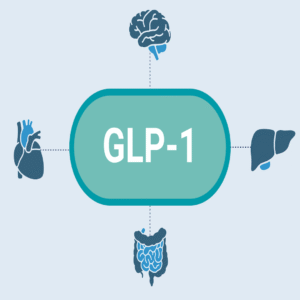
Semaglutide is a GLP-1 (glucagon-like peptide-1) receptor agonist that regulates blood sugar and supports weight loss by:
- Slowing gastric emptying (making you feel full longer).
- Enhancing insulin secretion.
- Suppressing appetite.
While these effects are powerful for diabetes and obesity management, researchers discovered that weight loss and improved insulin sensitivity from Semaglutide also benefit liver health.
How Semaglutide Improves Liver Health
- Reduces Liver Fat:
Clinical studies show Semaglutide significantly lowers hepatic fat content, one of the primary drivers of NAFLD. - Decreases Inflammation:
By reducing systemic and liver-specific inflammation, Semaglutide helps slow the progression from NAFLD to NASH. - Promotes Weight Loss:
Losing even 5–10% of body weight can dramatically improve liver function. Semaglutide supports sustained weight loss, thereby reducing liver stress. - Improves Insulin Sensitivity:
Insulin resistance is a key factor in fatty liver disease. Semaglutide enhances insulin function, helping the liver process fat more efficiently. - Potential to Prevent Fibrosis:
While more long-term studies are needed, evidence suggests Semaglutide may help reduce fibrosis, a dangerous stage of liver scarring.
Clinical Studies Supporting Semaglutide for Fatty Liver
- A phase 2 clinical trial published in The New England Journal of Medicine found that patients treated with Semaglutide had a significantly higher rate of NASH resolution compared to placebo.
- Studies also revealed up to 60% reduction in liver fat after consistent treatment with Semaglutide.
- Researchers are currently exploring whether Semaglutide could become an FDA-approved treatment for NASH in the near future.
Who Can Benefit from Semaglutide?
- People with type 2 diabetes and fatty liver disease.
- Obese patients with NAFLD or NASH.
- Individuals at risk of cardiovascular complications due to metabolic syndrome.
⚠️ However, Semaglutide should only be taken under medical supervision, as it may not be suitable for everyone.
Lifestyle Still Matters
While Semaglutide shows great promise, lifestyle changes remain the foundation of fatty liver management:
- Balanced diet: Rich in whole grains, lean protein, vegetables, and omega-3 fats.
- Regular exercise: At least 150 minutes of moderate activity weekly.
- Limit alcohol and sugar: To reduce additional stress on the liver.
Conclusion
Semaglutide represents a new chapter in fatty liver disease management. By targeting obesity, insulin resistance, and inflammation, it not only improves overall health but also offers hope for millions battling NAFLD and NASH. With ongoing research, we may soon see Semaglutide as a standard treatment for liver health — not just diabetes and weight loss.
FAQs
1. Can Semaglutide cure fatty liver disease?
No, but it can significantly reduce liver fat and inflammation, slowing or reversing progression in many cases.
2. Is Semaglutide safe for people without diabetes?
Yes, clinical trials show it is effective for weight loss and fatty liver in non-diabetic individuals as well, but it requires a doctor’s prescription.
3. How long does it take to see liver improvements?
Some patients show improvements within 6 months, though long-term use provides the best results.
4. Does weight loss alone improve fatty liver?
Yes, losing 7–10% of body weight can drastically reduce liver fat, and Semaglutide helps achieve and maintain that.
5. Are there side effects of Semaglutide?
Common side effects include nausea, vomiting, and stomach discomfort, which usually improve over time.
6. Can Semaglutide prevent liver cirrhosis?
It may slow progression, but more research is needed to confirm its role in preventing advanced cirrhosis.
7. Is Semaglutide approved for liver disease treatment?
Not yet. It is FDA-approved for diabetes and obesity, but clinical trials are underway for liver disease.





Add comment