
Introduction
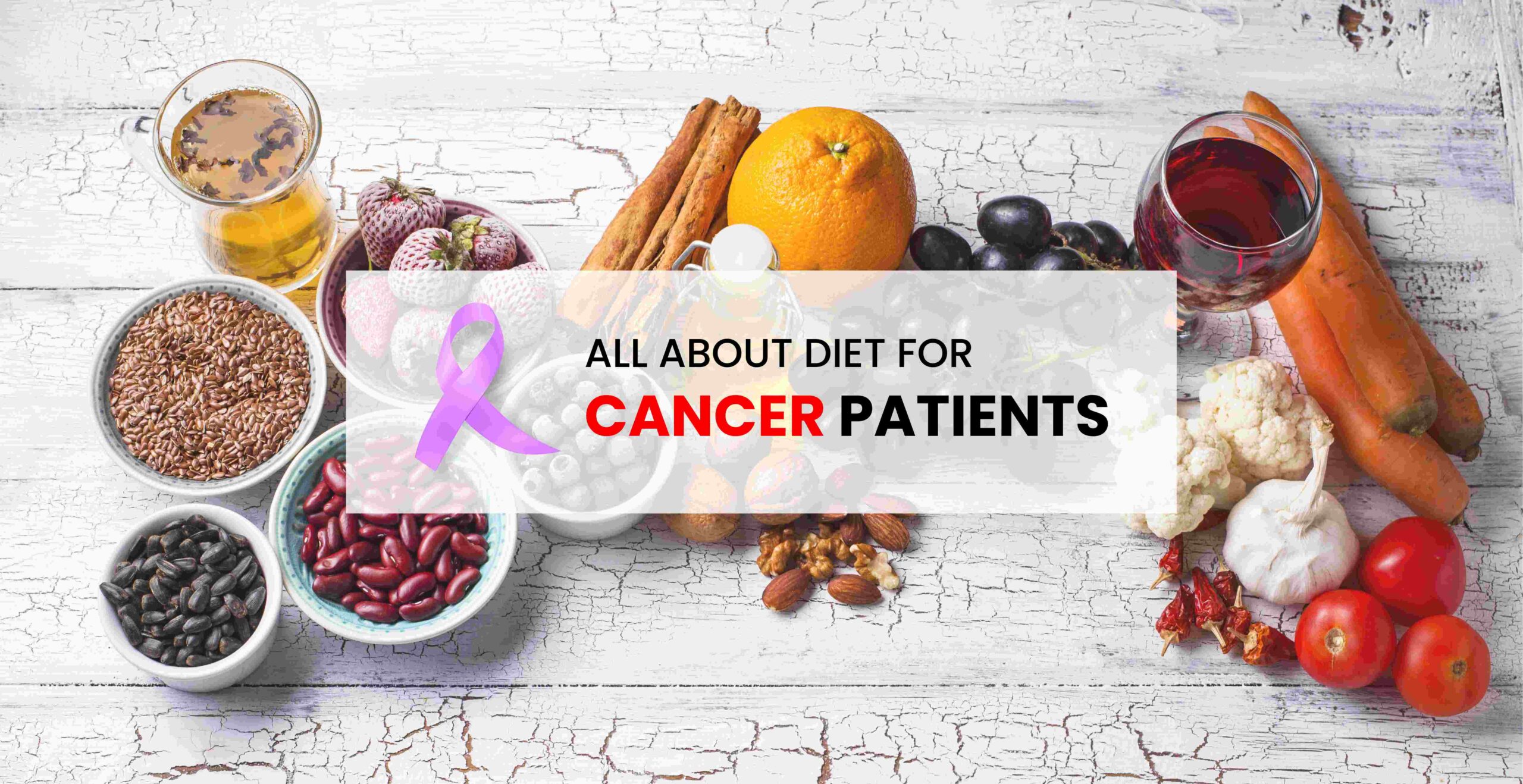
Nutrition plays a vital role in cancer care. For patients undergoing chemotherapy or targeted therapy, eating the right foods can help reduce side effects, maintain strength, and improve recovery. In the Philippines, many patients look for guidance on what to eat during and after cancer treatment.
Importance of Nutrition During Cancer Treatment
1. Maintain Energy Levels
Cancer and its treatments can cause fatigue. Balanced meals with complex carbs, lean proteins, and healthy fats help maintain energy.
2. Support Immune System
Foods rich in vitamins A, C, and E boost immunity, protecting patients from infections.
3. Manage Treatment Side Effects
- Nausea → Ginger tea, small frequent meals
- Mouth sores → Soft foods like oatmeal or mashed potatoes
- Weight loss → High-protein snacks such as eggs, yogurt, or peanut butter
4. Prevent Malnutrition
Cancer can increase calorie needs. Proper nutrition prevents weight loss and muscle wasting.
Best Foods for Cancer Patients
- Fruits (papaya, banana, apples)
- Vegetables (broccoli, carrots, leafy greens)
- Lean protein (fish, chicken, beans)
- Whole grains (brown rice, oats)
- Healthy fats (olive oil, coconut, nuts)
Internal Links
External References
FAQs
- What should cancer patients eat daily?
A mix of fruits, vegetables, lean protein, and whole grains is ideal. - Can cancer patients drink milk?
Yes, unless lactose intolerant. Choose low-fat or fortified milk for added nutrients. - Should sugar be avoided?
Limit processed sugar. Natural sugars from fruits are acceptable. - Can nutrition reduce side effects of chemotherapy?
Yes, proper diet can ease nausea, fatigue, and weight loss. - Are supplements safe for cancer patients?
Only take supplements prescribed by your oncologist. - Can Filipino foods be included in cancer diets?
Yes, local foods like malunggay (moringa), fish, and papaya are highly nutritious. - Should patients eat during chemotherapy?
Yes, small, frequent meals help maintain strength and reduce nausea.


Related posts
🏥 The Reality: Medicine Supply Challenges Across the Philippines Every hospital, from Metro Manila to Mindanao, faces the same daily battle — keeping life-saving medicines... Continue reading
Introduction Acne is one of the most common skin concerns in the Philippines, affecting teenagers and adults alike. Between humid weather, pollution, and hormonal imbalances,... Continue reading

Cancer remains a major health concern in the Philippines, affecting thousands of families every year. With rising treatment costs, many patients and caregivers are now... Continue reading
When it comes to health, Filipinos deserve nothing but the best, safest, and most affordable medicines. At Palmer Wellness Hub, we are committed to delivering... Continue reading
Add comment